or call us at (847) 220-1560
Skilled P-3 Visa Lawyers for Culturally Unique Artist and Entertainer Programs
The P-3 visa does not ask whether you are famous. It asks whether your art form is culturally unique. Our P-3 visa attorney team builds each petition around the cultural tradition, not the artist's profile.
Book a Free ConsultationWHY IT MATTERS
The P-3 Does Not Ask How Famous You Are. It Asks How Culturally Distinct You Are.
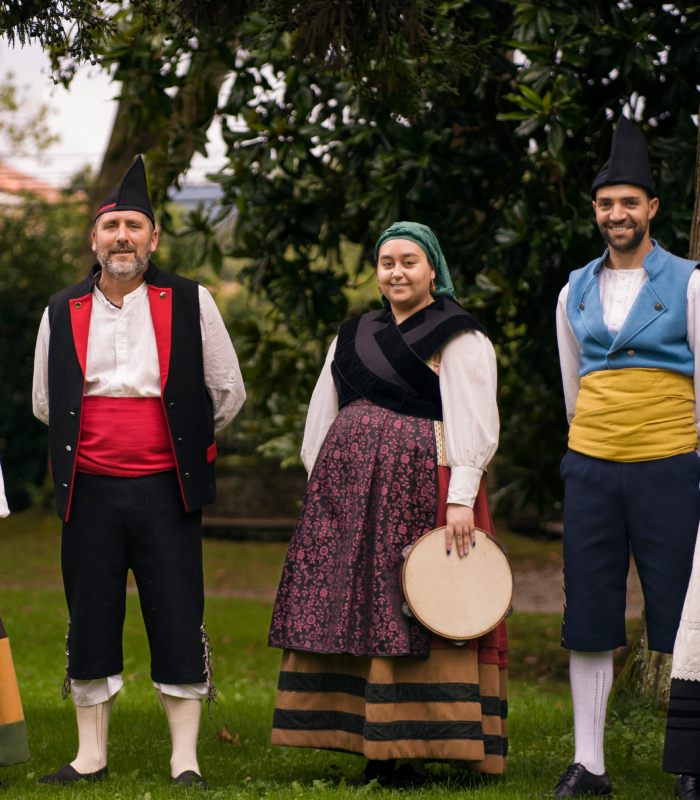
The P-3 visa is not about celebrity status or commercial success. USCIS asks one question: does the art form represent a style of expression unique to a particular culture, ethnicity, religion, or community? Traditional performing artists including Carnatic musicians and folk performance groups fall within scope, provided the petition demonstrates that the program furthers the understanding or development of the art form. The standard is cultural authenticity, not individual fame.
The Law Offices of Mary Kennedy, an immigration law office handling artist visa and P-3 visa petitions for cultural artists and sponsoring organizations, builds each case around the cultural uniqueness argument. USCIS adjudicators do not assume cultural uniqueness from the art form’s name. It has to be documented, argued, and supported with the right evidence before the petition is filed.

Requirements
P-3 Visa Requirements
The P-3 visa requirements apply to both the artist or group and the U.S. petitioner. Individual artists and groups both qualify. No minimum group association period applies, and the program may be commercial or noncommercial.
The artist or performing group must demonstrate
- Intent to perform, teach, or coach in a culturally unique program that advances the understanding or development of the art form.
- That the performance represents a culturally unique tradition, including ethnic, folk, musical, theatrical, or other artistic forms recognized as distinct to a specific community or heritage.
The U.S. employer, agent, or sponsoring organization must provide
- A written contract with the artist or group, or a summary of the terms of any oral agreement.
- A written advisory opinion from an appropriate labor organization confirming the cultural uniqueness of the program. A no-objection letter satisfies this requirement where no formal objection is raised.
- Expert letters or documentation from published reviews establishing the authenticity and cultural uniqueness of the art form.
- An itinerary listing the dates and locations of all events where performances will take place across more than one venue or city.
For essential support personnel
Those traveling with the artist require a separate Form I-129 petition. Their skills must be documented as integral to the performance and not readily available from U.S. workers.
Documentation
P-3 Visa: Required Documents
A P-3 petition that arrives at USCIS without a clearly documented cultural uniqueness argument invites an RFE or outright denial. Our attorneys review every document before filing.
- 01The U.S. employer, agent, or sponsoring organization must submit
- Completed Form I-129 (Petition for Nonimmigrant Worker), filed no more than one year before the artist’s services are needed.
- A written contract between the petitioner and the artist or group, or a summary of the terms of any oral agreement.
- A written advisory opinion from an appropriate labor organization confirming the cultural uniqueness of the program. A no-objection letter satisfies this requirement where no formal objection is raised.
- Expert letters or affidavits from recognized authorities attesting to the authenticity of the art form and the artist’s skills in performing it.
- Documentation establishing that all performances qualify as culturally unique events. Published reviews, institutional invitations, or media coverage are the most commonly accepted forms of evidence.
- An itinerary listing the dates and locations of all events if performances will take place across more than one venue or city.
- 02The artist or group must provide
- Valid passport with sufficient validity to cover the full period of the intended stay.
- Evidence of the artist’s or group’s background in the relevant cultural tradition. Training records, performance history, and credentials from recognized institutions all support this requirement.
- For artists already in the U.S. with valid nonimmigrant status, prior visa stamps and I-94 arrival records are required, along with any previously approved USCIS petition notices.
The U.S. employer, agent, or sponsoring organization must submit
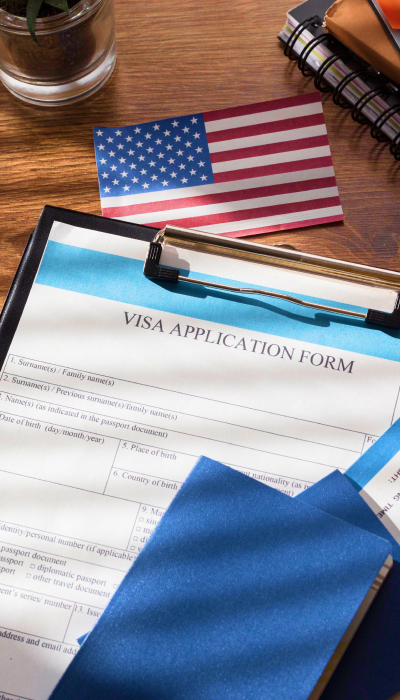
- Completed Form I-129 (Petition for Nonimmigrant Worker), filed no more than one year before the artist’s services are needed.
- A written contract between the petitioner and the artist or group, or a summary of the terms of any oral agreement.
- A written advisory opinion from an appropriate labor organization confirming the cultural uniqueness of the program. A no-objection letter satisfies this requirement where no formal objection is raised.
- Expert letters or affidavits from recognized authorities attesting to the authenticity of the art form and the artist’s skills in performing it.
- Documentation establishing that all performances qualify as culturally unique events. Published reviews, institutional invitations, or media coverage are the most commonly accepted forms of evidence.
- An itinerary listing the dates and locations of all events if performances will take place across more than one venue or city.
The artist or group must provide
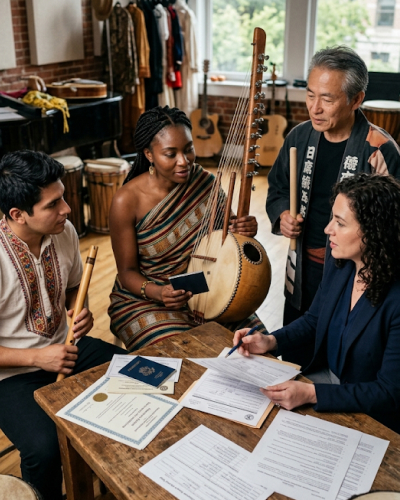
- Valid passport with sufficient validity to cover the full period of the intended stay.
- Evidence of the artist’s or group’s background in the relevant cultural tradition. Training records, performance history, and credentials from recognized institutions all support this requirement.
- For artists already in the U.S. with valid nonimmigrant status, prior visa stamps and I-94 arrival records are required, along with any previously approved USCIS petition notices.
Benefits
P-3 Visa: The Benefits
For traditional artists and cultural performers, the P-3 visa provides a direct route to the U.S. without the extraordinary ability standard that O-1B petitions require.
No annual cap or lottery. File anytime a qualifying cultural program is confirmed
Cultural uniqueness standard focuses on the art form, not individual fame
Individual artists and groups eligible with no minimum performance period
Spouses and children under 21 receive P-4 status for study in the US
Essential support personnel eligible under a separate P-3 petition
O-1B and EB-1A green card available as longer-term pathways for career growth
FAQ
P-3 Visa: Common Questions Answered
What does "culturally unique" mean and how does a U.S. organization prove it?
Under 8 CFR 214.2(p)(3), culturally unique means a style of artistic expression distinctive to a specific country, ethnicity, religion, or community. That burden of proof sits with the petitioning organization, not the artist. Expert letters attesting to the authenticity of the art form, or reviews in newspapers, journals, or published sources confirming the cultural tradition, are the most commonly accepted forms of evidence. Hybrid and fusion traditions can also qualify where cultural distinctiveness is clearly documented.
What is the difference between the P-3 visa and the O-1B?
The O-1B requires the artist to demonstrate extraordinary ability or distinction, meaning a high level of individual achievement substantially above others in the field. The P-3 visa requires no individual fame or commercial track record. What matters is whether the art form is culturally unique and whether the program furthers its understanding or development. For traditional artists without an internationally recognized profile, the P-3 is often the more accessible and appropriate pathway.
What is a labor organization advisory opinion and how is it obtained?
Every P-3 petition must include a written opinion from an appropriate labor organization confirming the program is culturally unique. A no-objection letter satisfies the requirement where the organization raises no formal objection. Where no appropriate organization exists for the specific art form, USCIS adjudicates on the available evidence, and the petitioner must explain the absence in the filing.
Can a performing group apply if members have not performed together long?
Yes. Unlike the P-1B, which requires at least one year of group association, the P-3 has no minimum period. Members can be assembled specifically for the culturally unique program. What matters is that each member has the skills and experience to participate and that every member’s role is documented consistently across the petition.
Can P-3 visa holders pursue a longer-term visa or green card?
Yes. Artists who develop a stronger individual profile during their P-3 period may become eligible for the O-1B, which requires extraordinary achievement or distinction in the arts. Those who reach the highest level of recognition in their field may qualify for the EB-1A green card under the extraordinary ability standard. Neither pathway is automatic. Our P-3 Visa lawyer advises on timing and readiness before any transition petition is filed.

Start Your P-3 Strategy Early.
Connect with our P-3 visa attorney team to get a clear petition strategy built around the cultural tradition and what USCIS will need to approve it.